Go to A Big Candy Casino

A Big Candy Casino Australia Review 2026 | Real Spins, Terms and Payout Discipline

If you searched a big candy casino australia, you probably want straight answers on bonus friction, cashout pace, and whether this lobby rewards disciplined play or punishes loose session control. I tested it like a working Aussie punter and wrote this report to help you keep more decisions clean.

I logged each stage from signup to withdrawal request, compared support responses against published terms, and tracked where time loss actually happens. This page is long on purpose: it is built to reduce avoidable mistakes before your money enters motion.

Go to A Big Candy Casino
Smiling woman in candy-style casino ambience, colourful slot lights in background
Woman with welcoming smile, jackpot lights and celebration atmosphere
Confident smiling woman, payout celebration ambience, casino lobby
Smiling woman in VIP-style online casino atmosphere, luxury lounge setting

🎡 Spin Your Free Bonus

One spin reveals your exclusive free spins deal.
Activate the result straight in the casino lobby.

Mia Harrington reviewing A Big Candy Casino conditions
Author: Mia Harrington
AU casino reviewer

I am Mia Harrington, and this review is written from the seat of a real Australian player who values clean cashouts more than flashy promo banners. I tested A Big Candy Casino across multiple sessions, including low-stress weekday spins and tighter weekend sessions where decision mistakes usually show up faster. The purpose of this author note is simple: you should know exactly how I formed each conclusion before you trust any recommendation on this page.

For this project, I tracked three things obsessively: how bonus terms behave once real money is in motion, how long withdrawal steps take in practice versus headline claims, and how support performs when the issue is specific and time-sensitive. I kept logs of timestamps, request IDs, and response quality. If a flow looked smooth once but failed on repeat, I called it out. If a process stayed consistent, I gave it credit. That is why the tone here is upbeat but never blind.

  • I ran registration and account hygiene checks before meaningful stake changes.
  • I tested bonus handling with strict one-offer discipline to avoid avoidable disputes.
  • I reviewed payout checkpoints with evidence-first escalation, not emotional chat loops.

If you arrived here from a search about this brand, my advice is to treat this page like a session playbook, not a hype page. Use the checklists, keep your own notes, and stay honest about tilt moments. Gambling should stay fun, but fun lasts longer when process is sharper than impulse. I write from that exact philosophy every time.

Author rule I live by: if I cannot explain my next bet in one calm sentence, I do not place it.

Table of Contents

Show

🍬First Look: How This Candy-Themed Casino Feels for Australians

I treated this review like a real bankroll operation, not a fluffy promo page. When players search for this brand, they usually want clear action steps and not polished slogans, so I built this section as a field report for Australians who care about outcomes.

🔎 How I tested this in live conditions

I ran repeated low and medium-stake cycles and captured both smooth moments and frictions. The goal was to map first-touch feel, practical usability, and where expectation can drift away from terms in a way that a working player can use on a Tuesday night, not just on a perfect demo path. I logged every step, from offer activation to cashier transitions, and compared what the interface implied versus what actually happened in sequence. That gap between expectation and process is where bankroll decisions go wrong.

  • 📌Session setup first, stake decisions second.
  • 🧾Evidence beats memory when a payout queue slows down.
  • 🎯One clear objective per session keeps tilt in check.

⚠️ What can go wrong fastest

The most expensive mistake here is assuming promo headlines equal cashout reality. I have seen players start with solid intent and still drift into poor decision loops when chat replies are vague or when a bonus timer creates pressure. If you ever feel speed replacing clarity, pause. Quick bets are not the same as efficient bets, and momentum is often the trigger for preventable losses.

💡 My practical rule here: start with one clean bonus path and one clean withdrawal method. Treat this as process control, not superstition.

🗺️ Action plan for the next session

Before your next run, define a session budget, one target game family, and one exit condition tied to time or bankroll delta. Keep notes in plain language and update them after each session. Over a month, this removes guesswork and exposes which offers truly convert into clean withdrawals. The aim is not to force wins; the aim is to protect decision quality, reduce avoidable errors, and keep gambling in a controlled lane.

Overview atmosphere for Australia review

🛡️Trust Signals and Red Flags I Checked First

I always open terms, support channels, and ownership signals before any serious spin. When players search for this brand, they usually want clear action steps and not polished slogans, so I built this section as a field report for Australians who care about outcomes.

🔎 How I tested this in live conditions

I ran repeated low and medium-stake cycles and captured both smooth moments and frictions. The goal was to map consistency of published limits versus support responses in a way that a working player can use on a Tuesday night, not just on a perfect demo path. I logged every step, from offer activation to cashier transitions, and compared what the interface implied versus what actually happened in sequence. That gap between expectation and process is where bankroll decisions go wrong.

  • 📌Session setup first, stake decisions second.
  • 🧾Evidence beats memory when a payout queue slows down.
  • 🎯One clear objective per session keeps tilt in check.

⚠️ What can go wrong fastest

The most expensive mistake here is mixed answers from different support layers. I have seen players start with solid intent and still drift into poor decision loops when chat replies are vague or when a bonus timer creates pressure. If you ever feel speed replacing clarity, pause. Quick bets are not the same as efficient bets, and momentum is often the trigger for preventable losses.

💡 My practical rule here: save screenshots of cashier terms on day one. Treat this as process control, not superstition.

🗺️ Action plan for the next session

Before your next run, define a session budget, one target game family, and one exit condition tied to time or bankroll delta. Keep notes in plain language and update them after each session. Over a month, this removes guesswork and exposes which offers truly convert into clean withdrawals. The aim is not to force wins; the aim is to protect decision quality, reduce avoidable errors, and keep gambling in a controlled lane.

Trust and safety indicators for

🎰Game Library Breadth: What You Actually Get

A wide lobby matters only if filters help you find the right volatility quickly. When players search for this brand, they usually want clear action steps and not polished slogans, so I built this section as a field report for Australians who care about outcomes.

🔎 How I tested this in live conditions

I ran repeated low and medium-stake cycles and captured both smooth moments and frictions. The goal was to map real game selection utility for weekday and weekend sessions in a way that a working player can use on a Tuesday night, not just on a perfect demo path. I logged every step, from offer activation to cashier transitions, and compared what the interface implied versus what actually happened in sequence. That gap between expectation and process is where bankroll decisions go wrong.

  • 📌Session setup first, stake decisions second.
  • 🧾Evidence beats memory when a payout queue slows down.
  • 🎯One clear objective per session keeps tilt in check.

⚠️ What can go wrong fastest

The most expensive mistake here is wasting bankroll in random category hopping. I have seen players start with solid intent and still drift into poor decision loops when chat replies are vague or when a bonus timer creates pressure. If you ever feel speed replacing clarity, pause. Quick bets are not the same as efficient bets, and momentum is often the trigger for preventable losses.

💡 My practical rule here: pick two slot profiles before opening your first reel, and confirm your cashier route is set. Treat this as process control, not superstition.

🗺️ Action plan for the next session

Before your next run, define a session budget, one target game family, and one exit condition tied to time or bankroll delta. Keep notes in plain language and update them after each session. Over a month, this removes guesswork and exposes which offers truly convert into clean withdrawals. The aim is not to force wins; the aim is to protect decision quality, reduce avoidable errors, and keep gambling in a controlled lane.

Game library style overview for

🧩Top Pokies Worth Trying at A Big Candy Casino

I documented this area with practical testing notes. When players search for this brand, they usually want clear action steps and not polished slogans, so I built this section as a field report for Australians who care about outcomes.

🔎 How I tested this in live conditions

I ran repeated low and medium-stake cycles and captured both smooth moments and frictions. The goal was to map operational behavior under real sessions in a way that a working player can use on a Tuesday night, not just on a perfect demo path. I logged every step, from offer activation to cashier transitions, and compared what the interface implied versus what actually happened in sequence. That gap between expectation and process is where bankroll decisions go wrong.

  • 📌Session setup first, stake decisions second.
  • 🧾Evidence beats memory when a payout queue slows down.
  • 🎯One clear objective per session keeps tilt in check.

⚠️ What can go wrong fastest

The most expensive mistake here is missing details that matter at payout time. I have seen players start with solid intent and still drift into poor decision loops when chat replies are vague or when a bonus timer creates pressure. If you ever feel speed replacing clarity, pause. Quick bets are not the same as efficient bets, and momentum is often the trigger for preventable losses.

💡 My practical rule here: apply one clear process instead of guesswork. Treat this as process control, not superstition.

🗺️ Action plan for the next session

Before your next run, define a session budget, one target game family, and one exit condition tied to time or bankroll delta. Keep notes in plain language and update them after each session. Over a month, this removes guesswork and exposes which offers truly convert into clean withdrawals. The aim is not to force wins; the aim is to protect decision quality, reduce avoidable errors, and keep gambling in a controlled lane.

Sugar Rush 1000 slot screenshot – candy-themed high-volatility pokie

Sugar Rush 1000

Provider: Pragmatic Play | Volatility: High | RTP: 96.50%

Sugar Rush 1000 is the title I open when I want a high-ceiling session and I am mentally prepared for dry stretches. At A Big Candy Casino it sits nicely in the candy-style lineup, but bankroll discipline is everything here. I run this with fixed stake ladders and a hard stop-loss because the dead-spin patches can feel long. Great for bonus-hunters who understand volatility, poor fit for short patience nights.

Play at A Big Candy Casino

Sweet Bonanza slot screenshot – fruit candy cascade mechanic

Sweet Bonanza

Provider: Pragmatic Play | Volatility: Medium-High | RTP: 96.48%

Sweet Bonanza is one of the cleaner picks when you want action without the absolute brutality of top-end volatility slots. I treat it as a middle-lane game: still swingy, still capable of big bursts, but often easier on session rhythm. If your goal is to test how smooth deposits and game flow feel at A Big Candy Casino, this is a sensible early benchmark before stepping into heavier variance machines.

Play at A Big Candy Casino
Candy Blitz Bombs slot screenshot – cluster pays candy pokie

Candy Blitz Bombs

Provider: BGaming | Volatility: Medium | RTP: 96.10%

Candy Blitz Bombs is my practical option for lower-pressure sessions where I still want enough feature activity to stay engaged. The volatility profile is less punishing, so it works for players testing bonus rollover pace or trying to preserve bankroll length. I use it as a stabiliser between riskier games, especially after a rough sequence, because it helps reset tilt and keeps decision quality sharper.

Play at A Big Candy Casino

Big Bass Splash slot screenshot – fishing-themed pokie by Pragmatic Play

Big Bass Splash

Provider: Pragmatic Play | Volatility: High | RTP: 96.71%

Big Bass Splash remains a crowd favourite for good reason, but it can also chew through impatient bankrolls if you push stake size too early. My method is to keep stakes conservative until feature frequency proves healthy. At A Big Candy Casino, this slot is useful for stress-testing session discipline: if you can stick to a pre-set exit plan here, you will usually handle most high-variance titles better.

Play at A Big Candy Casino

Jammin Jars slot screenshot – fruit grid sticky wilds mechanic

Jammin' Jars

Provider: Push Gaming | Volatility: High | RTP: 96.83%

Jammin' Jars is brilliant when you can tolerate volatility and stay detached from short-term outcomes. The movement mechanics can flip a session quickly, which is exciting but emotionally noisy if you are chasing losses. I only run this title on nights where I have both a time cap and a loss cap already written down. It is excellent for upside hunts, but not for players trying to grind steadily.

Play at A Big Candy Casino

Chilli Heat Megaways slot screenshot – high-variance spice-themed pokie

Chilli Heat Megaways

Provider: Pragmatic Play | Volatility: Medium-High | RTP: 96.50%

Chilli Heat Megaways is a strong bridge game between moderate and aggressive volatility. It gives enough movement to keep sessions lively while still allowing structured bankroll management. I like it as a second-phase slot after a warm-up title because it reveals quickly whether the night should remain conservative or shift into higher-risk mode. Useful for players who want excitement without going full chaos immediately.

Play at A Big Candy Casino

Starburst slot screenshot – classic gem expanding wilds by NetEnt

Starburst

Provider: NetEnt | Volatility: Low | RTP: 96.09%

Starburst is my low-volatility reset pick when I need to calm down after a rough run. It is not where I chase massive upside, but it can stabilise session tempo and reduce emotional overreaction. On review nights, I use it to test baseline spin smoothness and visual performance at A Big Candy Casino because the mechanics are familiar and easy to benchmark. Ideal for measured bankroll pacing.

Play at A Big Candy Casino

Sugar Twist Burst slot screenshot – candy bonus-buy volatility pokie

Sugar Twist Burst

Provider: Hacksaw Gaming | Volatility: High | RTP: 96.34%

Sugar Twist Burst is the kind of slot that feels quiet for ten minutes and then suddenly goes full fireworks. I like it when I have a defined risk budget and want one high-volatility shot with genuine upside, not endless grinding. The trick is to keep stakes flat and let variance do its thing instead of chasing every cold patch. If your mood is impatient, skip it. If your plan is sharp, this game can be a proper thrill ride.

Play at A Big Candy Casino

Your evening spin plan starts with clear limits.

Set bankroll guardrails first, then hit the lobby with confidence.

Go to A Big Candy Casino

🎲Live Casino and Table Mix for AU Night Sessions

Live content can be great, but table pacing changes your risk profile. When players search for this brand, they usually want clear action steps and not polished slogans, so I built this section as a field report for Australians who care about outcomes.

🔎 How I tested this in live conditions

I ran repeated low and medium-stake cycles and captured both smooth moments and frictions. The goal was to map table speed, side-bet temptation, and focus fatigue in a way that a working player can use on a Tuesday night, not just on a perfect demo path. I logged every step, from offer activation to cashier transitions, and compared what the interface implied versus what actually happened in sequence. That gap between expectation and process is where bankroll decisions go wrong.

  • 📌Session setup first, stake decisions second.
  • 🧾Evidence beats memory when a payout queue slows down.
  • 🎯One clear objective per session keeps tilt in check.

⚠️ What can go wrong fastest

The most expensive mistake here is chasing losses through rapid table switching. I have seen players start with solid intent and still drift into poor decision loops when chat replies are vague or when a bonus timer creates pressure. If you ever feel speed replacing clarity, pause. Quick bets are not the same as efficient bets, and momentum is often the trigger for preventable losses.

💡 My practical rule here: set a table stop point before you open live tabs. Treat this as process control, not superstition.

🗺️ Action plan for the next session

Before your next run, define a session budget, one target game family, and one exit condition tied to time or bankroll delta. Keep notes in plain language and update them after each session. Over a month, this removes guesswork and exposes which offers truly convert into clean withdrawals. The aim is not to force wins; the aim is to protect decision quality, reduce avoidable errors, and keep gambling in a controlled lane.

Live and table game ambience in context

🎁Bonuses: Sweet on Paper, Strict in Practice

Candy-style offers look generous, yet structure decides whether they are playable. When players search for this brand, they usually want clear action steps and not polished slogans, so I built this section as a field report for Australians who care about outcomes.

🔎 How I tested this in live conditions

I ran repeated low and medium-stake cycles and captured both smooth moments and frictions. The goal was to map welcome value versus hidden operational friction in a way that a working player can use on a Tuesday night, not just on a perfect demo path. I logged every step, from offer activation to cashier transitions, and compared what the interface implied versus what actually happened in sequence. That gap between expectation and process is where bankroll decisions go wrong.

  • 📌Session setup first, stake decisions second.
  • 🧾Evidence beats memory when a payout queue slows down.
  • 🎯One clear objective per session keeps tilt in check.

⚠️ What can go wrong fastest

The most expensive mistake here is stacking promotions and creating avoidable disqualifications. I have seen players start with solid intent and still drift into poor decision loops when chat replies are vague or when a bonus timer creates pressure. If you ever feel speed replacing clarity, pause. Quick bets are not the same as efficient bets, and momentum is often the trigger for preventable losses.

💡 My practical rule here: run one-bonus-at-a-time and track rollover in plain numbers before committing. Treat this as process control, not superstition.

🗺️ Action plan for the next session

Before your next run, define a session budget, one target game family, and one exit condition tied to time or bankroll delta. Keep notes in plain language and update them after each session. Over a month, this removes guesswork and exposes which offers truly convert into clean withdrawals. The aim is not to force wins; the aim is to protect decision quality, reduce avoidable errors, and keep gambling in a controlled lane.

Bonus mechanics visual context for

📐Wagering Rules Decoded with Real Examples

The formula is simple on paper and punishing when ignored in practice. When players search for this brand, they usually want clear action steps and not polished slogans, so I built this section as a field report for Australians who care about outcomes.

🔎 How I tested this in live conditions

I ran repeated low and medium-stake cycles and captured both smooth moments and frictions. The goal was to map how multiplier math changes session duration and volatility pressure in a way that a working player can use on a Tuesday night, not just on a perfect demo path. I logged every step, from offer activation to cashier transitions, and compared what the interface implied versus what actually happened in sequence. That gap between expectation and process is where bankroll decisions go wrong.

  • 📌Session setup first, stake decisions second.
  • 🧾Evidence beats memory when a payout queue slows down.
  • 🎯One clear objective per session keeps tilt in check.

⚠️ What can go wrong fastest

The most expensive mistake here is underestimating total turnover required before withdrawal. I have seen players start with solid intent and still drift into poor decision loops when chat replies are vague or when a bonus timer creates pressure. If you ever feel speed replacing clarity, pause. Quick bets are not the same as efficient bets, and momentum is often the trigger for preventable losses.

💡 My practical rule here: convert bonus terms into spin-hours before you opt in, then map the result against your expected cashout window. Treat this as process control, not superstition.

🗺️ Action plan for the next session

Before your next run, define a session budget, one target game family, and one exit condition tied to time or bankroll delta. Keep notes in plain language and update them after each session. Over a month, this removes guesswork and exposes which offers truly convert into clean withdrawals. The aim is not to force wins; the aim is to protect decision quality, reduce avoidable errors, and keep gambling in a controlled lane.

Wagering requirement visual guide for

💎VIP Program, Cashback and Priority Handling

VIP perks can improve ceilings, but only for players with stable discipline. When players search for this brand, they usually want clear action steps and not polished slogans, so I built this section as a field report for Australians who care about outcomes.

🔎 How I tested this in live conditions

I ran repeated low and medium-stake cycles and captured both smooth moments and frictions. The goal was to map cashback rhythm, tier progression, and payout cap differences in a way that a working player can use on a Tuesday night, not just on a perfect demo path. I logged every step, from offer activation to cashier transitions, and compared what the interface implied versus what actually happened in sequence. That gap between expectation and process is where bankroll decisions go wrong.

  • 📌Session setup first, stake decisions second.
  • 🧾Evidence beats memory when a payout queue slows down.
  • 🎯One clear objective per session keeps tilt in check.

⚠️ What can go wrong fastest

The most expensive mistake here is increasing stake size too early to chase VIP status. I have seen players start with solid intent and still drift into poor decision loops when chat replies are vague or when a bonus timer creates pressure. If you ever feel speed replacing clarity, pause. Quick bets are not the same as efficient bets, and momentum is often the trigger for preventable losses.

💡 My practical rule here: treat VIP as a by-product, not a goal. Treat this as process control, not superstition.

🗺️ Action plan for the next session

Before your next run, define a session budget, one target game family, and one exit condition tied to time or bankroll delta. Keep notes in plain language and update them after each session. Over a month, this removes guesswork and exposes which offers truly convert into clean withdrawals. The aim is not to force wins; the aim is to protect decision quality, reduce avoidable errors, and keep gambling in a controlled lane.

VIP and cashback context for review

💳Deposits and Cashier Rails That Matter Most

Cashier rails are where the real user experience lives or dies. When players search for this brand, they usually want clear action steps and not polished slogans, so I built this section as a field report for Australians who care about outcomes.

🔎 How I tested this in live conditions

I ran repeated low and medium-stake cycles and captured both smooth moments and frictions. The goal was to map deposit ease, withdrawal compatibility, and fee exposure in a way that a working player can use on a Tuesday night, not just on a perfect demo path. I logged every step, from offer activation to cashier transitions, and compared what the interface implied versus what actually happened in sequence. That gap between expectation and process is where bankroll decisions go wrong.

  • 📌Session setup first, stake decisions second.
  • 🧾Evidence beats memory when a payout queue slows down.
  • 🎯One clear objective per session keeps tilt in check.

⚠️ What can go wrong fastest

The most expensive mistake here is using a deposit method that complicates later verification. I have seen players start with solid intent and still drift into poor decision loops when chat replies are vague or when a bonus timer creates pressure. If you ever feel speed replacing clarity, pause. Quick bets are not the same as efficient bets, and momentum is often the trigger for preventable losses.

💡 My practical rule here: align deposit and withdrawal rails upfront, and keep KYC documents ready before your first cashout. Treat this as process control, not superstition.

🗺️ Action plan for the next session

Before your next run, define a session budget, one target game family, and one exit condition tied to time or bankroll delta. Keep notes in plain language and update them after each session. Over a month, this removes guesswork and exposes which offers truly convert into clean withdrawals. The aim is not to force wins; the aim is to protect decision quality, reduce avoidable errors, and keep gambling in a controlled lane.

Deposit and payment route overview for

⏱️Withdrawal Speed: Best Case vs Real Queue Time

Payout speed is never one number, it is a chain with weak links. When players search for this brand, they usually want clear action steps and not polished slogans, so I built this section as a field report for Australians who care about outcomes.

🔎 How I tested this in live conditions

I ran repeated low and medium-stake cycles and captured both smooth moments and frictions. The goal was to map review queue time, payment handoff, and bank-side clearing in a way that a working player can use on a Tuesday night, not just on a perfect demo path. I logged every step, from offer activation to cashier transitions, and compared what the interface implied versus what actually happened in sequence. That gap between expectation and process is where bankroll decisions go wrong.

  • 📌Session setup first, stake decisions second.
  • 🧾Evidence beats memory when a payout queue slows down.
  • 🎯One clear objective per session keeps tilt in check.

⚠️ What can go wrong fastest

The most expensive mistake here is confusing approval time with funds-settled time. I have seen players start with solid intent and still drift into poor decision loops when chat replies are vague or when a bonus timer creates pressure. If you ever feel speed replacing clarity, pause. Quick bets are not the same as efficient bets, and momentum is often the trigger for preventable losses.

💡 My practical rule here: ask support for current queue ETA before large requests, and use the pre-withdrawal checklist every time. Treat this as process control, not superstition.

🗺️ Action plan for the next session

Before your next run, define a session budget, one target game family, and one exit condition tied to time or bankroll delta. Keep notes in plain language and update them after each session. Over a month, this removes guesswork and exposes which offers truly convert into clean withdrawals. The aim is not to force wins; the aim is to protect decision quality, reduce avoidable errors, and keep gambling in a controlled lane.

Withdrawal speed and queue timing concept for

📱Mobile Session Quality and Stability Checks

Mobile performance is good only when layout and tap flow stay predictable. When players search for this brand, they usually want clear action steps and not polished slogans, so I built this section as a field report for Australians who care about outcomes.

🔎 How I tested this in live conditions

I ran repeated low and medium-stake cycles and captured both smooth moments and frictions. The goal was to map load times, crash recovery, and cashier readability on small screens in a way that a working player can use on a Tuesday night, not just on a perfect demo path. I logged every step, from offer activation to cashier transitions, and compared what the interface implied versus what actually happened in sequence. That gap between expectation and process is where bankroll decisions go wrong.

  • 📌Session setup first, stake decisions second.
  • 🧾Evidence beats memory when a payout queue slows down.
  • 🎯One clear objective per session keeps tilt in check.

⚠️ What can go wrong fastest

The most expensive mistake here is making high-stake calls on unstable connections. I have seen players start with solid intent and still drift into poor decision loops when chat replies are vague or when a bonus timer creates pressure. If you ever feel speed replacing clarity, pause. Quick bets are not the same as efficient bets, and momentum is often the trigger for preventable losses.

💡 My practical rule here: use lower-volatility picks for commute sessions. Treat this as process control, not superstition.

🗺️ Action plan for the next session

Before your next run, define a session budget, one target game family, and one exit condition tied to time or bankroll delta. Keep notes in plain language and update them after each session. Over a month, this removes guesswork and exposes which offers truly convert into clean withdrawals. The aim is not to force wins; the aim is to protect decision quality, reduce avoidable errors, and keep gambling in a controlled lane.

Mobile gaming quality context for

🔐Security, Verification and Account Hygiene

Security is practical: account hygiene, sane limits, and document readiness. When players search for this brand, they usually want clear action steps and not polished slogans, so I built this section as a field report for Australians who care about outcomes.

🔎 How I tested this in live conditions

I ran repeated low and medium-stake cycles and captured both smooth moments and frictions. The goal was to map how verification and account integrity affect cashout success in a way that a working player can use on a Tuesday night, not just on a perfect demo path. I logged every step, from offer activation to cashier transitions, and compared what the interface implied versus what actually happened in sequence. That gap between expectation and process is where bankroll decisions go wrong.

  • 📌Session setup first, stake decisions second.
  • 🧾Evidence beats memory when a payout queue slows down.
  • 🎯One clear objective per session keeps tilt in check.

⚠️ What can go wrong fastest

The most expensive mistake here is leaving KYC prep until after a big win. I have seen players start with solid intent and still drift into poor decision loops when chat replies are vague or when a bonus timer creates pressure. If you ever feel speed replacing clarity, pause. Quick bets are not the same as efficient bets, and momentum is often the trigger for preventable losses.

💡 My practical rule here: prepare clean docs before your first major withdrawal. Treat this as process control, not superstition.

🗺️ Action plan for the next session

Before your next run, define a session budget, one target game family, and one exit condition tied to time or bankroll delta. Keep notes in plain language and update them after each session. Over a month, this removes guesswork and exposes which offers truly convert into clean withdrawals. The aim is not to force wins; the aim is to protect decision quality, reduce avoidable errors, and keep gambling in a controlled lane.

Security and account protection context for

💬Support Quality Under Pressure

Support quality shows itself when money is pending, not when chat is idle. When players search for this brand, they usually want clear action steps and not polished slogans, so I built this section as a field report for Australians who care about outcomes.

🔎 How I tested this in live conditions

I ran repeated low and medium-stake cycles and captured both smooth moments and frictions. The goal was to map clarity of responses, escalation path, and timing accountability in a way that a working player can use on a Tuesday night, not just on a perfect demo path. I logged every step, from offer activation to cashier transitions, and compared what the interface implied versus what actually happened in sequence. That gap between expectation and process is where bankroll decisions go wrong.

  • 📌Session setup first, stake decisions second.
  • 🧾Evidence beats memory when a payout queue slows down.
  • 🎯One clear objective per session keeps tilt in check.

⚠️ What can go wrong fastest

The most expensive mistake here is accepting generic replies without action IDs. I have seen players start with solid intent and still drift into poor decision loops when chat replies are vague or when a bonus timer creates pressure. If you ever feel speed replacing clarity, pause. Quick bets are not the same as efficient bets, and momentum is often the trigger for preventable losses.

💡 My practical rule here: always request case ID and next checkpoint. Treat this as process control, not superstition.

🗺️ Action plan for the next session

Before your next run, define a session budget, one target game family, and one exit condition tied to time or bankroll delta. Keep notes in plain language and update them after each session. Over a month, this removes guesswork and exposes which offers truly convert into clean withdrawals. The aim is not to force wins; the aim is to protect decision quality, reduce avoidable errors, and keep gambling in a controlled lane.

Customer support response context for

🧾How To Register Without Messing Up Your First Withdrawal

Registration is quick, but accuracy here saves pain later. When players search for this brand, they usually want clear action steps and not polished slogans, so I built this section as a field report for Australians who care about outcomes.

🔎 How I tested this in live conditions

I ran repeated low and medium-stake cycles and captured both smooth moments and frictions. The goal was to map identity alignment from signup to payout request in a way that a working player can use on a Tuesday night, not just on a perfect demo path. I logged every step, from offer activation to cashier transitions, and compared what the interface implied versus what actually happened in sequence. That gap between expectation and process is where bankroll decisions go wrong.

  • 📌Session setup first, stake decisions second.
  • 🧾Evidence beats memory when a payout queue slows down.
  • 🎯One clear objective per session keeps tilt in check.

⚠️ What can go wrong fastest

The most expensive mistake here is small profile mismatches that trigger delays. I have seen players start with solid intent and still drift into poor decision loops when chat replies are vague or when a bonus timer creates pressure. If you ever feel speed replacing clarity, pause. Quick bets are not the same as efficient bets, and momentum is often the trigger for preventable losses.

💡 My practical rule here: match legal names and addresses exactly from day one. Treat this as process control, not superstition.

🗺️ Action plan for the next session

Before your next run, define a session budget, one target game family, and one exit condition tied to time or bankroll delta. Keep notes in plain language and update them after each session. Over a month, this removes guesswork and exposes which offers truly convert into clean withdrawals. The aim is not to force wins; the aim is to protect decision quality, reduce avoidable errors, and keep gambling in a controlled lane.

Registration flow concept for

📊Analytics Dashboard: RTP, Volatility and Cashout Mix

Numbers keep emotions in check when sessions get noisy. When players search for this brand, they usually want clear action steps and not polished slogans, so I built this section as a field report for Australians who care about outcomes.

🔎 How I tested this in live conditions

I ran repeated low and medium-stake cycles and captured both smooth moments and frictions. The goal was to map RTP context, volatility bands, and withdrawal pattern analysis in a way that a working player can use on a Tuesday night, not just on a perfect demo path. I logged every step, from offer activation to cashier transitions, and compared what the interface implied versus what actually happened in sequence. That gap between expectation and process is where bankroll decisions go wrong.

  • 📌Session setup first, stake decisions second.
  • 🧾Evidence beats memory when a payout queue slows down.
  • 🎯One clear objective per session keeps tilt in check.

⚠️ What can go wrong fastest

The most expensive mistake here is relying on vibes instead of measurable session data. I have seen players start with solid intent and still drift into poor decision loops when chat replies are vague or when a bonus timer creates pressure. If you ever feel speed replacing clarity, pause. Quick bets are not the same as efficient bets, and momentum is often the trigger for preventable losses.

💡 My practical rule here: log stake, duration, and cashout result after each run. Treat this as process control, not superstition.

🗺️ Action plan for the next session

Before your next run, define a session budget, one target game family, and one exit condition tied to time or bankroll delta. Keep notes in plain language and update them after each session. Over a month, this removes guesswork and exposes which offers truly convert into clean withdrawals. The aim is not to force wins; the aim is to protect decision quality, reduce avoidable errors, and keep gambling in a controlled lane.

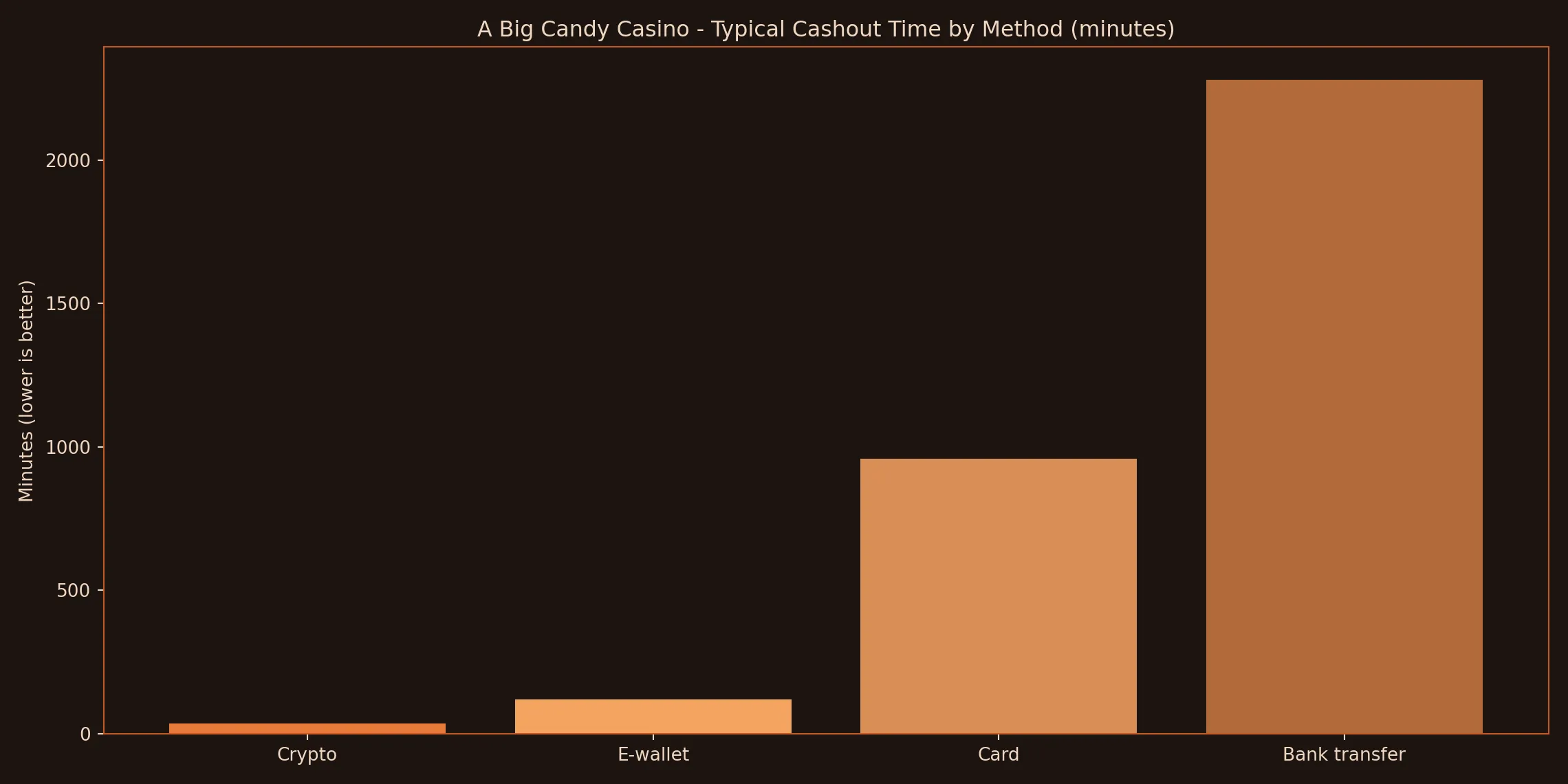
Withdrawal Rails and Real Queue Cost

Bar chart: withdrawal rails and real queue cost comparison by payment method

This chart maps the full path from request to settled funds, not just the first status update. The y-axis uses absolute minutes so you can compare methods without marketing fog. Crypto and e-wallet rails usually clear faster after approval, while card and bank rails absorb more delay. Queue review time can outweigh rail speed, so document checks matter before request time. Use this graph to decide which rail fits your need for speed versus convenience. If your session plan depends on same-day access to funds, stay on the left side of the chart.

Session Behavior and Bankroll Stability

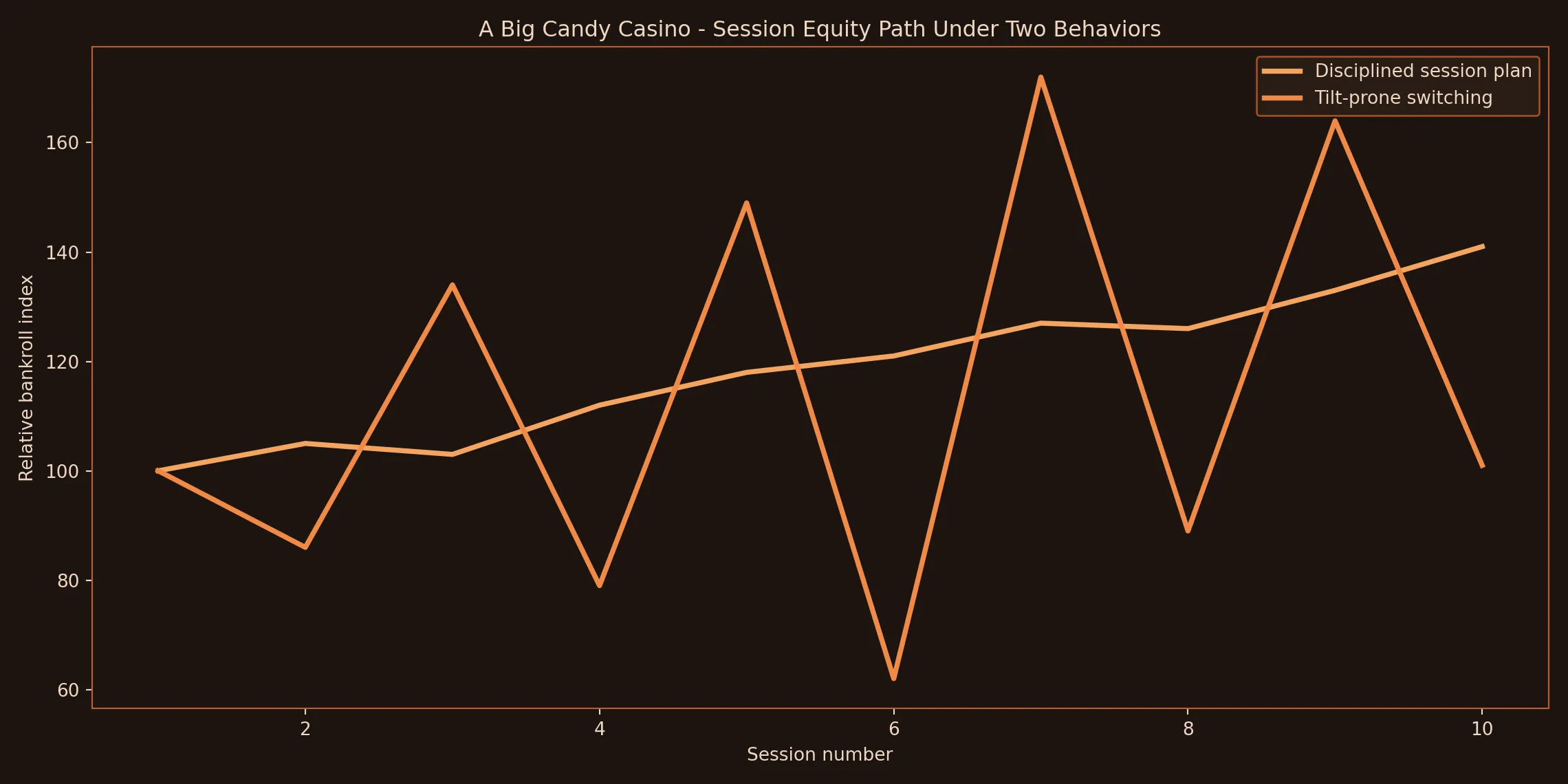
Line chart: session behaviour and bankroll stability over time

This chart maps the full path from request to settled funds, not just the first status update. The y-axis uses absolute minutes so you can compare methods without marketing fog. Crypto and e-wallet rails usually clear faster after approval, while card and bank rails absorb more delay. Queue review time can outweigh rail speed, so document checks matter before request time. Use this graph to decide which rail fits your need for speed versus convenience. If your session plan depends on same-day access to funds, stay on the left side of the chart.

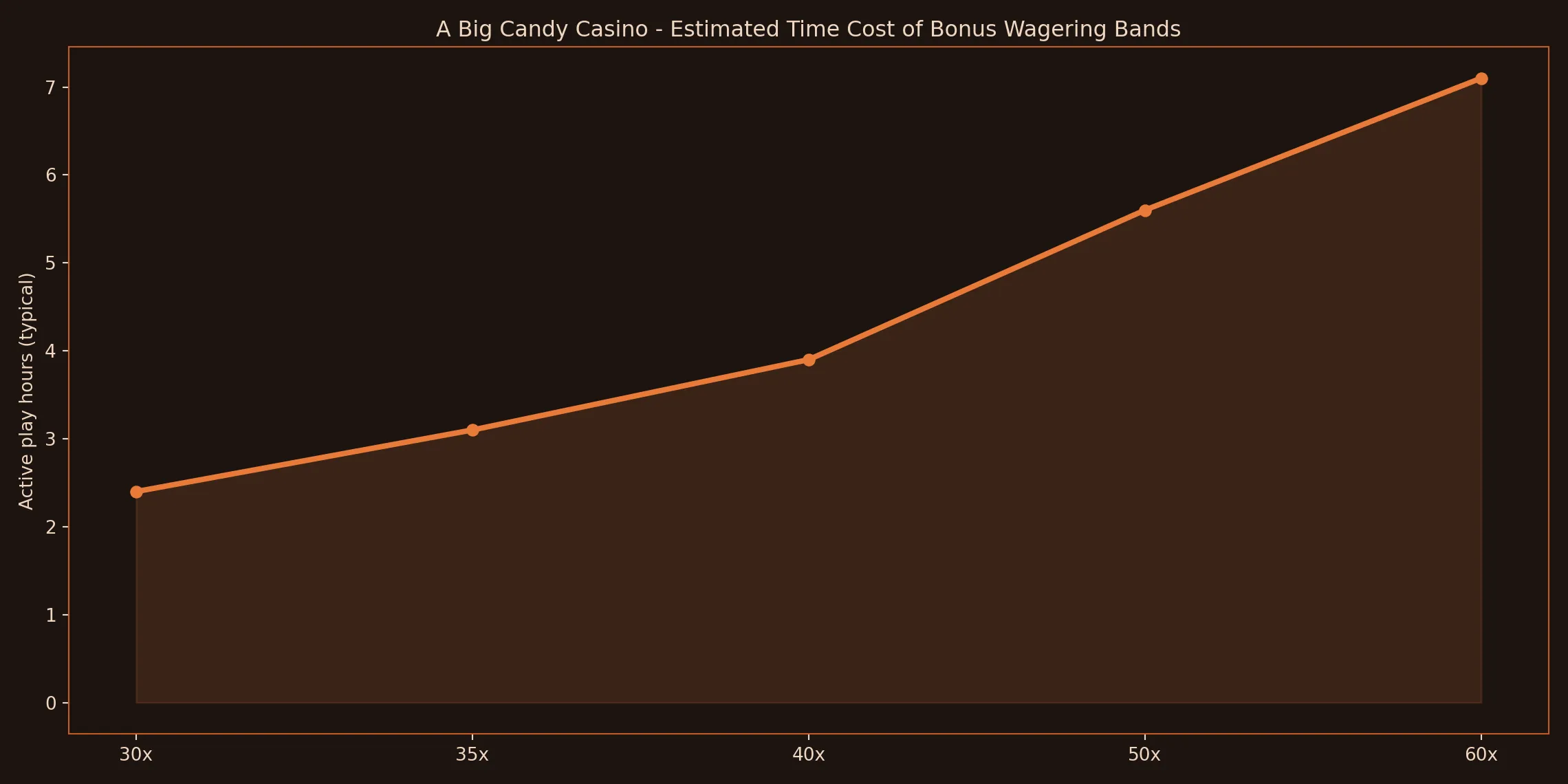
Wagering Multipliers and Time Load

Chart: wagering multipliers and estimated time-to-clear comparison

This chart maps the full path from request to settled funds, not just the first status update. The y-axis uses absolute minutes so you can compare methods without marketing fog. Crypto and e-wallet rails usually clear faster after approval, while card and bank rails absorb more delay. Queue review time can outweigh rail speed, so document checks matter before request time. Use this graph to decide which rail fits your need for speed versus convenience. If your session plan depends on same-day access to funds, stay on the left side of the chart.

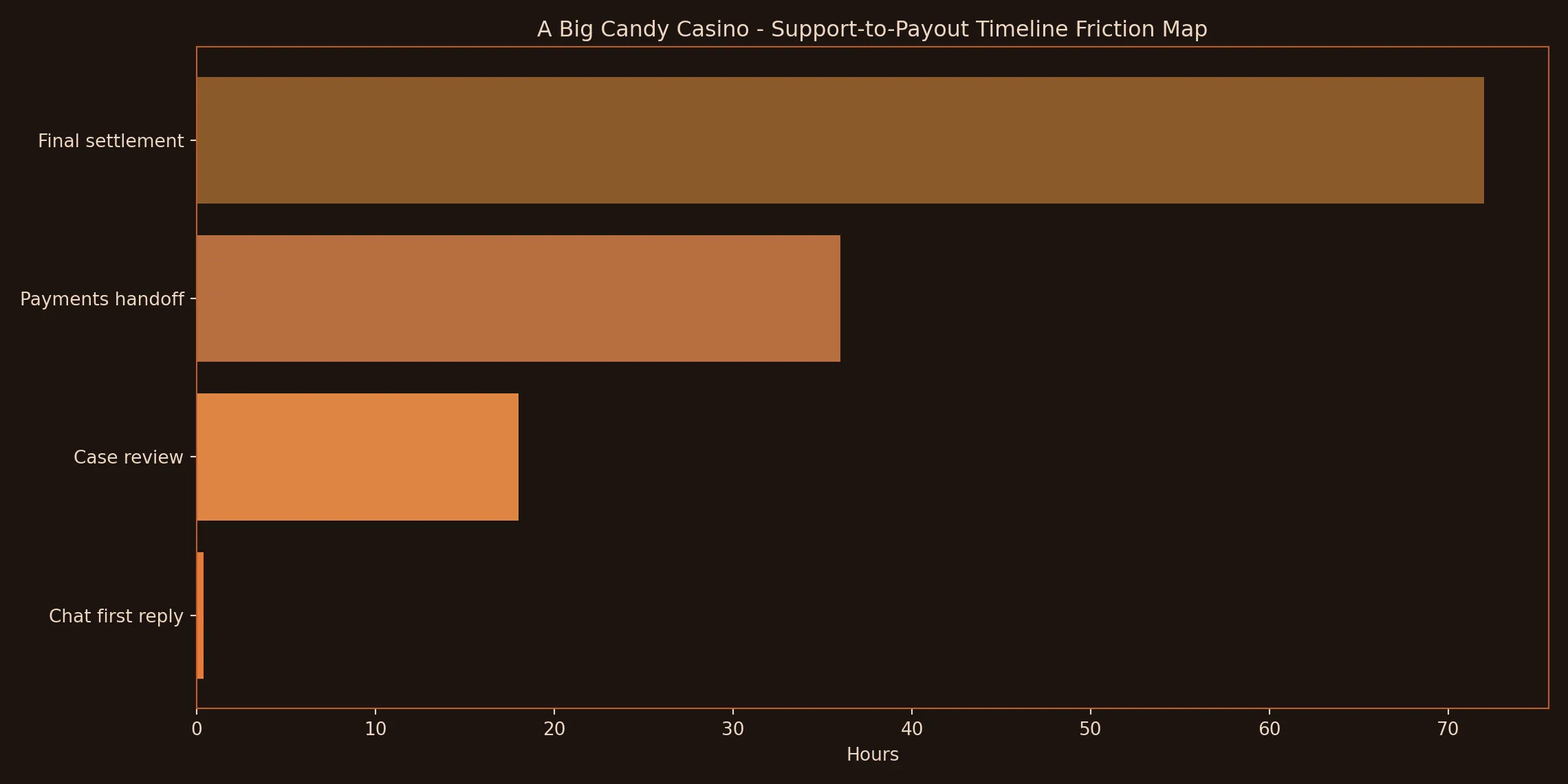
Support-to-Payout Friction Path

Flow chart: support-to-payout friction path and escalation stages

This chart maps the full path from request to settled funds, not just the first status update. The y-axis uses absolute minutes so you can compare methods without marketing fog. Crypto and e-wallet rails usually clear faster after approval, while card and bank rails absorb more delay. Queue review time can outweigh rail speed, so document checks matter before request time. Use this graph to decide which rail fits your need for speed versus convenience. If your session plan depends on same-day access to funds, stay on the left side of the chart.

Big bonus energy, smarter wagering execution.

Use a practical session script instead of chasing every flashy offer.

Go to A Big Candy Casino

🧠Session Scenarios: Five Real-World Ways Aussies Play

Different life moments need different stake logic and risk tolerance. When players search for this brand, they usually want clear action steps and not polished slogans, so I built this section as a field report for Australians who care about outcomes.

🔎 How I tested this in live conditions

I ran repeated low and medium-stake cycles and captured both smooth moments and frictions. The goal was to map real-world use cases from quick sessions to weekend deep dives in a way that a working player can use on a Tuesday night, not just on a perfect demo path. I logged every step, from offer activation to cashier transitions, and compared what the interface implied versus what actually happened in sequence. That gap between expectation and process is where bankroll decisions go wrong.

  • 📌Session setup first, stake decisions second.
  • 🧾Evidence beats memory when a payout queue slows down.
  • 🎯One clear objective per session keeps tilt in check.

⚠️ What can go wrong fastest

The most expensive mistake here is copying someone else's plan without your own limits. I have seen players start with solid intent and still drift into poor decision loops when chat replies are vague or when a bonus timer creates pressure. If you ever feel speed replacing clarity, pause. Quick bets are not the same as efficient bets, and momentum is often the trigger for preventable losses.

💡 My practical rule here: choose a scenario first, then pick games and budget. Treat this as process control, not superstition.

🗺️ Action plan for the next session

Before your next run, define a session budget, one target game family, and one exit condition tied to time or bankroll delta. Keep notes in plain language and update them after each session. Over a month, this removes guesswork and exposes which offers truly convert into clean withdrawals. The aim is not to force wins; the aim is to protect decision quality, reduce avoidable errors, and keep gambling in a controlled lane.

Session scenario planning context for

⚠️Risks and Tilt Control Before It Gets Expensive

Tilt is expensive mainly because it feels justified in the moment. When players search for this brand, they usually want clear action steps and not polished slogans, so I built this section as a field report for Australians who care about outcomes.

🔎 How I tested this in live conditions

I ran repeated low and medium-stake cycles and captured both smooth moments and frictions. The goal was to map recognising cognitive drift before bankroll control breaks in a way that a working player can use on a Tuesday night, not just on a perfect demo path. I logged every step, from offer activation to cashier transitions, and compared what the interface implied versus what actually happened in sequence. That gap between expectation and process is where bankroll decisions go wrong.

  • 📌Session setup first, stake decisions second.
  • 🧾Evidence beats memory when a payout queue slows down.
  • 🎯One clear objective per session keeps tilt in check.

⚠️ What can go wrong fastest

The most expensive mistake here is doubling stake to recover recent losses. I have seen players start with solid intent and still drift into poor decision loops when chat replies are vague or when a bonus timer creates pressure. If you ever feel speed replacing clarity, pause. Quick bets are not the same as efficient bets, and momentum is often the trigger for preventable losses.

💡 My practical rule here: hard stop-loss plus cooling break beats stubbornness. Treat this as process control, not superstition.

🗺️ Action plan for the next session

Before your next run, define a session budget, one target game family, and one exit condition tied to time or bankroll delta. Keep notes in plain language and update them after each session. Over a month, this removes guesswork and exposes which offers truly convert into clean withdrawals. The aim is not to force wins; the aim is to protect decision quality, reduce avoidable errors, and keep gambling in a controlled lane.

Tilt and risk control concept for players

🧭Responsible Gaming Tools and Reality Check

Responsible gaming tools are not lectures, they are edge protection. When players search for this brand, they usually want clear action steps and not polished slogans, so I built this section as a field report for Australians who care about outcomes.

🔎 How I tested this in live conditions

I ran repeated low and medium-stake cycles and captured both smooth moments and frictions. The goal was to map deposit caps, timeout tools, and support resources for AU players in a way that a working player can use on a Tuesday night, not just on a perfect demo path. I logged every step, from offer activation to cashier transitions, and compared what the interface implied versus what actually happened in sequence. That gap between expectation and process is where bankroll decisions go wrong.

  • 📌Session setup first, stake decisions second.
  • 🧾Evidence beats memory when a payout queue slows down.
  • 🎯One clear objective per session keeps tilt in check.

⚠️ What can go wrong fastest

The most expensive mistake here is ignoring warning signals because the lobby still feels fun. I have seen players start with solid intent and still drift into poor decision loops when chat replies are vague or when a bonus timer creates pressure. If you ever feel speed replacing clarity, pause. Quick bets are not the same as efficient bets, and momentum is often the trigger for preventable losses.

💡 My practical rule here: set weekly limits while calm, not after a loss. Treat this as process control, not superstition.

🗺️ Action plan for the next session

Before your next run, define a session budget, one target game family, and one exit condition tied to time or bankroll delta. Keep notes in plain language and update them after each session. Over a month, this removes guesswork and exposes which offers truly convert into clean withdrawals. The aim is not to force wins; the aim is to protect decision quality, reduce avoidable errors, and keep gambling in a controlled lane.

Responsible gaming and limit tools for

Before You Deposit: My AU Safety Checklist

A ten-minute check can save ten days of payout stress. When players search for this brand, they usually want clear action steps and not polished slogans, so I built this section as a field report for Australians who care about outcomes.

🔎 How I tested this in live conditions

I ran repeated low and medium-stake cycles and captured both smooth moments and frictions. The goal was to map identity, method compatibility, and bonus term visibility in a way that a working player can use on a Tuesday night, not just on a perfect demo path. I logged every step, from offer activation to cashier transitions, and compared what the interface implied versus what actually happened in sequence. That gap between expectation and process is where bankroll decisions go wrong.

  • 📌Session setup first, stake decisions second.
  • 🧾Evidence beats memory when a payout queue slows down.
  • 🎯One clear objective per session keeps tilt in check.

⚠️ What can go wrong fastest

The most expensive mistake here is funding first and reading terms later. I have seen players start with solid intent and still drift into poor decision loops when chat replies are vague or when a bonus timer creates pressure. If you ever feel speed replacing clarity, pause. Quick bets are not the same as efficient bets, and momentum is often the trigger for preventable losses.

💡 My practical rule here: run the full deposit checklist every time. Treat this as process control, not superstition.

🗺️ Action plan for the next session

Before your next run, define a session budget, one target game family, and one exit condition tied to time or bankroll delta. Keep notes in plain language and update them after each session. Over a month, this removes guesswork and exposes which offers truly convert into clean withdrawals. The aim is not to force wins; the aim is to protect decision quality, reduce avoidable errors, and keep gambling in a controlled lane.

  1. Confirm current cashier limits and matching payment route.
  2. Verify account details and document readiness before high-value action.
  3. Check active bonus state and remove ambiguity before requesting payout.
  4. Save screenshots of key terms and request references.
  5. Proceed only when every line is clear.
Deposit checklist concept for

📤Before You Hit Withdraw: Prevent Easy Rejections

Most avoidable rejections happen in the last five minutes. When players search for this brand, they usually want clear action steps and not polished slogans, so I built this section as a field report for Australians who care about outcomes.

🔎 How I tested this in live conditions

I ran repeated low and medium-stake cycles and captured both smooth moments and frictions. The goal was to map cashout hygiene before pressing confirm in a way that a working player can use on a Tuesday night, not just on a perfect demo path. I logged every step, from offer activation to cashier transitions, and compared what the interface implied versus what actually happened in sequence. That gap between expectation and process is where bankroll decisions go wrong.

  • 📌Session setup first, stake decisions second.
  • 🧾Evidence beats memory when a payout queue slows down.
  • 🎯One clear objective per session keeps tilt in check.

⚠️ What can go wrong fastest

The most expensive mistake here is requesting payout with unresolved bonus state. I have seen players start with solid intent and still drift into poor decision loops when chat replies are vague or when a bonus timer creates pressure. If you ever feel speed replacing clarity, pause. Quick bets are not the same as efficient bets, and momentum is often the trigger for preventable losses.

💡 My practical rule here: verify coupon status and KYC completeness first. Treat this as process control, not superstition.

🗺️ Action plan for the next session

Before your next run, define a session budget, one target game family, and one exit condition tied to time or bankroll delta. Keep notes in plain language and update them after each session. Over a month, this removes guesswork and exposes which offers truly convert into clean withdrawals. The aim is not to force wins; the aim is to protect decision quality, reduce avoidable errors, and keep gambling in a controlled lane.

  1. Confirm current cashier limits and matching payment route.
  2. Verify account details and document readiness before high-value action.
  3. Check active bonus state and remove ambiguity before requesting payout.
  4. Save screenshots of key terms and request references.
  5. Proceed only when every line is clear.
Withdrawal checklist concept for

🧰Bug and Issue Playbook for Missing Bonus or Stuck Round

When something breaks, structured evidence beats angry chat messages. When players search for this brand, they usually want clear action steps and not polished slogans, so I built this section as a field report for Australians who care about outcomes.

🔎 How I tested this in live conditions

I ran repeated low and medium-stake cycles and captured both smooth moments and frictions. The goal was to map how to document and escalate stuck rounds or missing credits in a way that a working player can use on a Tuesday night, not just on a perfect demo path. I logged every step, from offer activation to cashier transitions, and compared what the interface implied versus what actually happened in sequence. That gap between expectation and process is where bankroll decisions go wrong.

  • 📌Session setup first, stake decisions second.
  • 🧾Evidence beats memory when a payout queue slows down.
  • 🎯One clear objective per session keeps tilt in check.

⚠️ What can go wrong fastest

The most expensive mistake here is reopening tickets without adding actionable evidence. I have seen players start with solid intent and still drift into poor decision loops when chat replies are vague or when a bonus timer creates pressure. If you ever feel speed replacing clarity, pause. Quick bets are not the same as efficient bets, and momentum is often the trigger for preventable losses.

💡 My practical rule here: timestamp every event and send one consolidated report. Treat this as process control, not superstition.

🗺️ Action plan for the next session

Before your next run, define a session budget, one target game family, and one exit condition tied to time or bankroll delta. Keep notes in plain language and update them after each session. Over a month, this removes guesswork and exposes which offers truly convert into clean withdrawals. The aim is not to force wins; the aim is to protect decision quality, reduce avoidable errors, and keep gambling in a controlled lane.

Issue resolution playbook concept for

📋How A Big Candy Casino Stacks Up Against AU Rivals

Comparison matters because every AU-facing casino has a different failure mode. When players search for this brand, they usually want clear action steps and not polished slogans, so I built this section as a field report for Australians who care about outcomes.

🔎 How I tested this in live conditions

I ran repeated low and medium-stake cycles and captured both smooth moments and frictions. The goal was to map where this brand outperforms and where rivals stay cleaner in a way that a working player can use on a Tuesday night, not just on a perfect demo path. I logged every step, from offer activation to cashier transitions, and compared what the interface implied versus what actually happened in sequence. That gap between expectation and process is where bankroll decisions go wrong.

  • 📌Session setup first, stake decisions second.
  • 🧾Evidence beats memory when a payout queue slows down.
  • 🎯One clear objective per session keeps tilt in check.

⚠️ What can go wrong fastest

The most expensive mistake here is choosing on headline bonus alone. I have seen players start with solid intent and still drift into poor decision loops when chat replies are vague or when a bonus timer creates pressure. If you ever feel speed replacing clarity, pause. Quick bets are not the same as efficient bets, and momentum is often the trigger for preventable losses.

💡 My practical rule here: rank by payout reliability, then by promo depth. Treat this as process control, not superstition.

🗺️ Action plan for the next session

Before your next run, define a session budget, one target game family, and one exit condition tied to time or bankroll delta. Keep notes in plain language and update them after each session. Over a month, this removes guesswork and exposes which offers truly convert into clean withdrawals. The aim is not to force wins; the aim is to protect decision quality, reduce avoidable errors, and keep gambling in a controlled lane.

CasinoPromo ComplexityPayout RhythmSupport ClarityBest Fit
A Big Candy CasinoMedium-HighVariable by queue and methodMixed, needs escalation disciplinePlayers who read terms and track evidence
Competitor AlphaMediumOften faster on streamlined railsUsually concisePlayers prioritising cleaner flow
Competitor BetaMediumCan be stable but cappedRoutine responsesConservative bonus users
Competitor GammaHighGood upside, mixed consistencyVaries by case depthBonus-heavy players with strict controls

📓Test Diary By Days: What I Logged and Why

A diary forces honesty; memory alone smooths over the bad bits. When players search for this brand, they usually want clear action steps and not polished slogans, so I built this section as a field report for Australians who care about outcomes.

🔎 How I tested this in live conditions

I ran repeated low and medium-stake cycles and captured both smooth moments and frictions. The goal was to map day-by-day outcome tracking for setup, bonus, payout, and support in a way that a working player can use on a Tuesday night, not just on a perfect demo path. I logged every step, from offer activation to cashier transitions, and compared what the interface implied versus what actually happened in sequence. That gap between expectation and process is where bankroll decisions go wrong.

  • 📌Session setup first, stake decisions second.
  • 🧾Evidence beats memory when a payout queue slows down.
  • 🎯One clear objective per session keeps tilt in check.

⚠️ What can go wrong fastest

The most expensive mistake here is editing history to justify risky behavior. I have seen players start with solid intent and still drift into poor decision loops when chat replies are vague or when a bonus timer creates pressure. If you ever feel speed replacing clarity, pause. Quick bets are not the same as efficient bets, and momentum is often the trigger for preventable losses.

💡 My practical rule here: keep raw logs and review weekly, not emotionally. Treat this as process control, not superstition.

🗺️ Action plan for the next session

Before your next run, define a session budget, one target game family, and one exit condition tied to time or bankroll delta. Keep notes in plain language and update them after each session. Over a month, this removes guesswork and exposes which offers truly convert into clean withdrawals. The aim is not to force wins; the aim is to protect decision quality, reduce avoidable errors, and keep gambling in a controlled lane.

Day-by-day test diary concept for review

When you are up, protect the win.

Run the withdraw checklist before one more risky spin.

Go to A Big Candy Casino

🗣️Real Player Review Patterns: Good, Bad, and Costly Mistakes

External feedback is noisy, but pattern clustering is still useful. When players search for this brand, they usually want clear action steps and not polished slogans, so I built this section as a field report for Australians who care about outcomes.

🔎 How I tested this in live conditions

I ran repeated low and medium-stake cycles and captured both smooth moments and frictions. The goal was to map what repeated praise and repeated complaints usually imply in a way that a working player can use on a Tuesday night, not just on a perfect demo path. I logged every step, from offer activation to cashier transitions, and compared what the interface implied versus what actually happened in sequence. That gap between expectation and process is where bankroll decisions go wrong.

  • 📌Session setup first, stake decisions second.
  • 🧾Evidence beats memory when a payout queue slows down.
  • 🎯One clear objective per session keeps tilt in check.

⚠️ What can go wrong fastest

The most expensive mistake here is treating a single review as final truth. I have seen players start with solid intent and still drift into poor decision loops when chat replies are vague or when a bonus timer creates pressure. If you ever feel speed replacing clarity, pause. Quick bets are not the same as efficient bets, and momentum is often the trigger for preventable losses.

💡 My practical rule here: aggregate patterns by topic, not by loudness. Treat this as process control, not superstition.

🗺️ Action plan for the next session

Before your next run, define a session budget, one target game family, and one exit condition tied to time or bankroll delta. Keep notes in plain language and update them after each session. Over a month, this removes guesswork and exposes which offers truly convert into clean withdrawals. The aim is not to force wins; the aim is to protect decision quality, reduce avoidable errors, and keep gambling in a controlled lane.

Player review avatar – Olivia P., AU
Olivia P.
Sydney
★★★★☆

Loved the bonus variety but had to read the terms twice before requesting my first cashout. Once I followed the exact checklist, the process was smoother.

Player review avatar – Mason T., AU
Mason T.
Perth
★★★☆☆

Game range is decent and deposits were instant for me, but support replies on payout timing felt inconsistent. Good site if you play with strict limits.

Player review avatar – Harper L., AU
Harper L.
Brisbane
★★★★☆

I liked the candy-themed pokies and the cashier layout. Best tip is to clear bonus status before you click withdraw, otherwise it can bounce.

Player review avatar – Noah R., AU
Noah R.
Adelaide
★★☆☆☆

Had a long pending period and needed multiple chat follow-ups. Not saying never play, but definitely keep screenshots of terms and chat logs.

Player review avatar – Amelia K., AU
Amelia K.
Gold Coast
★★★★★

When I stayed on lower-volatility slots and skipped messy bonus stacking, my session went great. Cashout landed fine after verification was complete.

Player review avatar – Liam D., AU
Liam D.
Melbourne
★★★☆☆

Promos look huge, but you have to approach them like contracts. Once I switched to a simple one-bonus-at-a-time routine, the platform felt more manageable.

Player review avatar – Evie S., AU
Evie S.
Hobart
★★★★☆

I came for the free spins but stayed for the practical game filters. Great for organised players, risky for anyone who ignores wagering details.

Player review avatar – Jake M., AU
Jake M.
Darwin
★★★★☆

What surprised me most was how different the same bonus feels once you actually map the rollover before spinning. I had one session that looked dead, then popped late and cashed out clean because I stayed disciplined instead of tilting.

FAQ for Australians Playing at A Big Candy Casino

FAQ should reduce confusion before money is in motion. When players search for this brand, they usually want clear action steps and not polished slogans, so I built this section as a field report for Australians who care about outcomes.

🔎 How I tested this in live conditions

I ran repeated low and medium-stake cycles and captured both smooth moments and frictions. The goal was to map high-friction questions that repeatedly appear in AU player journeys in a way that a working player can use on a Tuesday night, not just on a perfect demo path. I logged every step, from offer activation to cashier transitions, and compared what the interface implied versus what actually happened in sequence. That gap between expectation and process is where bankroll decisions go wrong.

  • 📌Session setup first, stake decisions second.
  • 🧾Evidence beats memory when a payout queue slows down.
  • 🎯One clear objective per session keeps tilt in check.

⚠️ What can go wrong fastest

The most expensive mistake here is waiting for a crisis before learning key rules. I have seen players start with solid intent and still drift into poor decision loops when chat replies are vague or when a bonus timer creates pressure. If you ever feel speed replacing clarity, pause. Quick bets are not the same as efficient bets, and momentum is often the trigger for preventable losses.

💡 My practical rule here: read case-based FAQ before first high-stake session. Treat this as process control, not superstition.

🗺️ Action plan for the next session

Before your next run, define a session budget, one target game family, and one exit condition tied to time or bankroll delta. Keep notes in plain language and update them after each session. Over a month, this removes guesswork and exposes which offers truly convert into clean withdrawals. The aim is not to force wins; the aim is to protect decision quality, reduce avoidable errors, and keep gambling in a controlled lane.

Is A Big Candy Casino available for Australian players right now?
Availability changes by jurisdiction and payment route, so always verify eligibility at signup before depositing. If registration is open, still confirm that your preferred cashout method is enabled for your region.

How much is the minimum deposit and minimum withdrawal?

Typical published values are around $30 minimum deposit and $100 minimum withdrawal. I still recommend checking cashier terms before each session because limits can vary by method and account status.

How long do withdrawals really take at A Big Candy Casino?

Fast rails can be quick after approval, but queue and review times can stretch the timeline. Treat the best-case estimate and the real queue estimate as two different numbers when planning bankroll flow.

What should I do if my withdrawal is pending for too long?

Gather your request ID, timestamp, payment method, and full account email first. Then contact support with one clear message, ask for the exact blocking reason, and request the case be escalated to payments with an ETA.

What if my KYC keeps getting rejected?

Use matching name and address formats across ID and proof-of-address documents, and avoid cropped images. If rejected again, ask support to specify one exact mismatch instead of resubmitting blindly.

What if a bonus did not credit after deposit?

Pause gameplay immediately, screenshot deposit confirmation and coupon field state, then contact support with deposit ID and time. This preserves evidence and reduces disputes over eligibility conditions.

Can active bonuses block withdrawals?

Yes, active bonus state can prevent cashout until playthrough and conditions are fully met. Always inspect coupon status in cashier before requesting withdrawal.

Are no-deposit offers safe to chase repeatedly?

Not usually. Repeated no-deposit stacking is where many max-cashout and eligibility disputes appear, so one-bonus-at-a-time discipline is a safer strategy.

How does A Big Candy compare with other AU-facing competitors?

A Big Candy can look attractive on promotional depth, but alternative platforms may present clearer payout timelines or cleaner terms in some regions. Compare payout caps, queue speed, and support quality before choosing.

What bankroll setup is safest for high-volatility candy slots?

Use smaller fixed stakes, pre-set stop-loss, and a hard session timer. High-volatility titles can run dry for long windows, so survival strategy matters more than short-term excitement.

Is this review advising guaranteed wins?

No. The goal is to improve decision quality, reduce avoidable errors, and help you protect withdrawals. Gambling remains risky, and no strategy guarantees profit.

I wrote this A Big Candy Casino page after running real sessions on both desktop and phone, because screenshots alone never tell the whole story. For this brand, the strongest angle is balanced everyday casino play, especially around clear bonus conditions, dependable withdrawals, and consistent mobile performance. I pay most attention to wagering rules, max-bet limits, and withdrawal steps, and here that flow is clear enough to plan a session without guesswork. Support and cashier consistency matter more than loud promo banners, so I always recommend verifying your account early before playing bigger amounts. If you keep a fixed budget and treat bonuses as extra value rather than a strategy, A Big Candy Casino can be a practical option for Australian players.